
EcoVaults
A unified vault dashboard for managing deposits, rewards, and cross-chain flows in one interface.
Context
EcoVaults was designed as a unified interface for accessing and managing yield-generating vaults, starting with Morpho Blue vaults on Lisk. The goal was to simplify fragmented DeFi workflows by allowing users to deposit, withdraw, and claim rewards from multiple vaults in one place.
While the core technology already existed, the product lacked a clear and usable interface. The challenge was to surface complex financial data while making cross-chain actions understandable, predictable, and safe.
Goal
Design a clear and scalable vault interface that enables crypto-native users to manage deposits, rewards, and cross-chain interactions with confidence.
Key goals:
Make deposit and withdrawal flows explicit and predictable
Present vault performance and positions without overwhelming users
Support future scaling as more vaults and networks are added
Audience
Crypto-native users and DeFi yield farmers
Power users managing multiple vault positions
Experienced users comfortable with on-chain interactions
My role
I was responsible for the full UX and UI design of EcoVaults, leading interface and flow design while collaborating closely with a project manager and developers through EcoLabs.
My responsibilities included:
Designing the dashboard and vault overview screens
Defining deposit, withdraw, and reward-claim flows
Designing empty states, connected states, and transaction states
Collaborating asynchronously with developers to refine flows and edge cases
Providing structured design feedback and annotations in Figma and Notion
Product overview
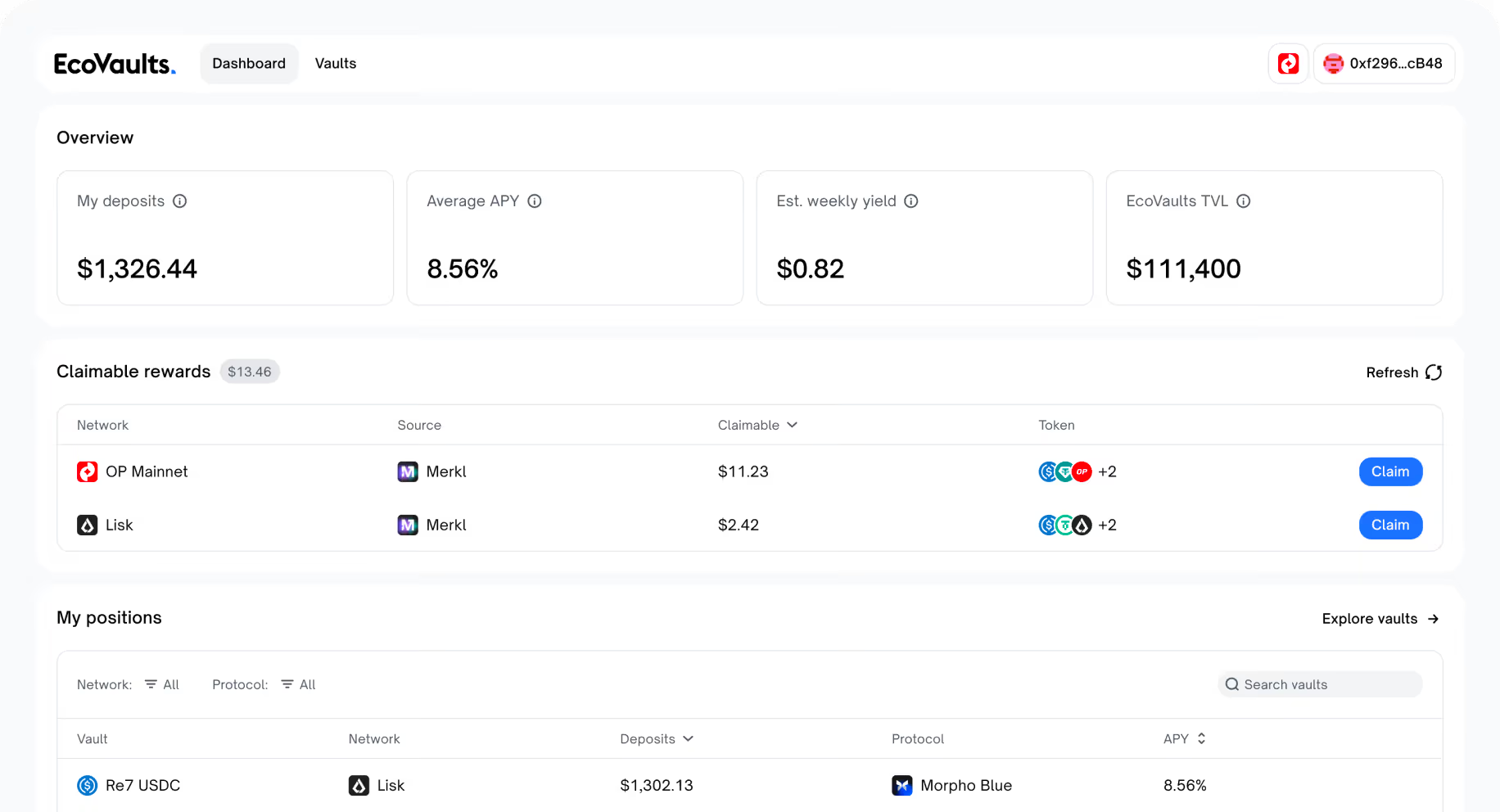
EcoVaults was structured around a central dashboard that gives users a clear overview of their positions, rewards, and available vaults.
Core elements include:
A dashboard showing total deposits, average APY, and estimated yield
Vault listings with protocol, network, TVL, and performance data
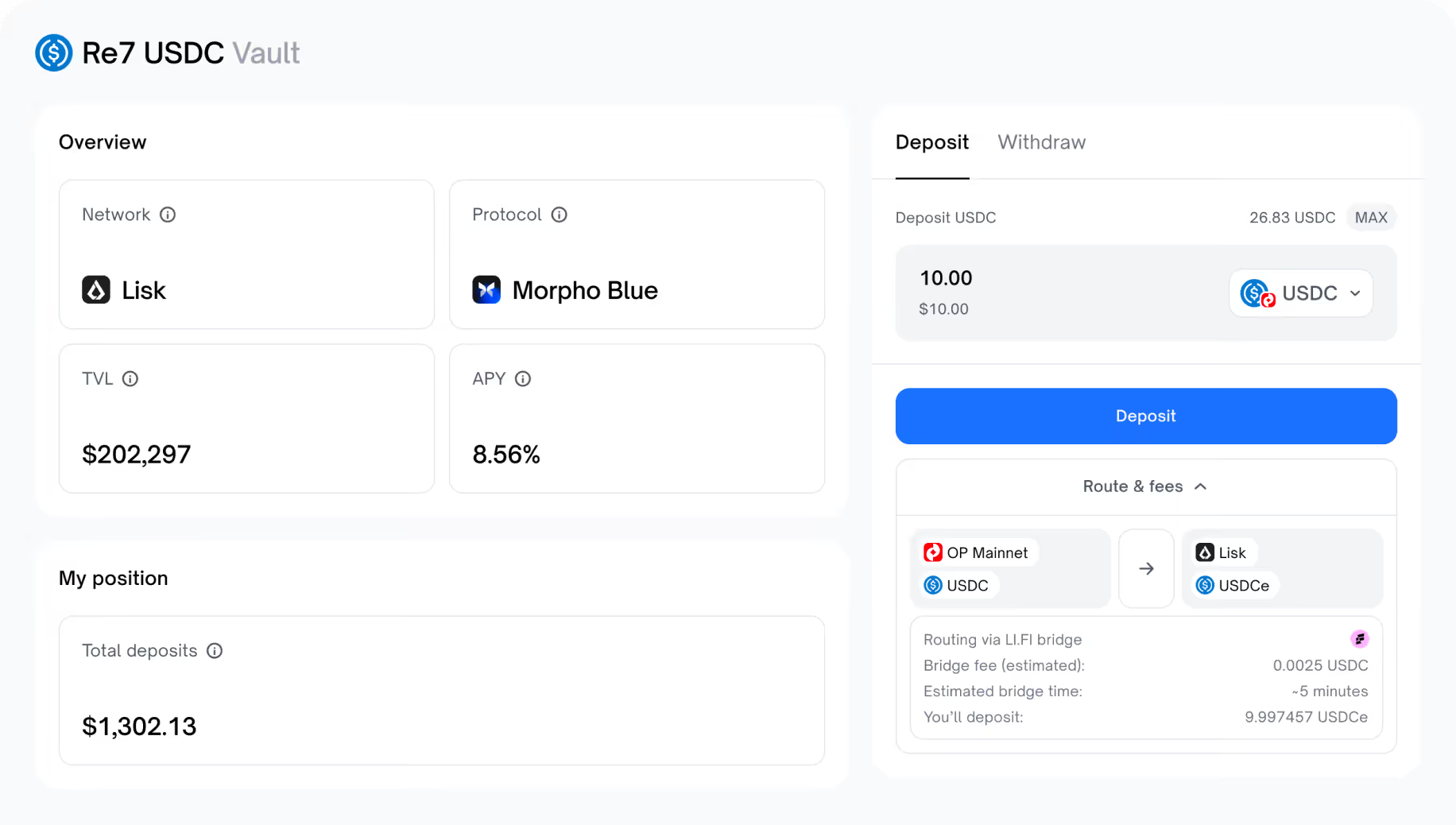
Individual vault pages with detailed metrics and actions
Unified reward claiming across multiple vaults
The interface was designed to feel consistent and predictable across all vaults.
Key UX challenges
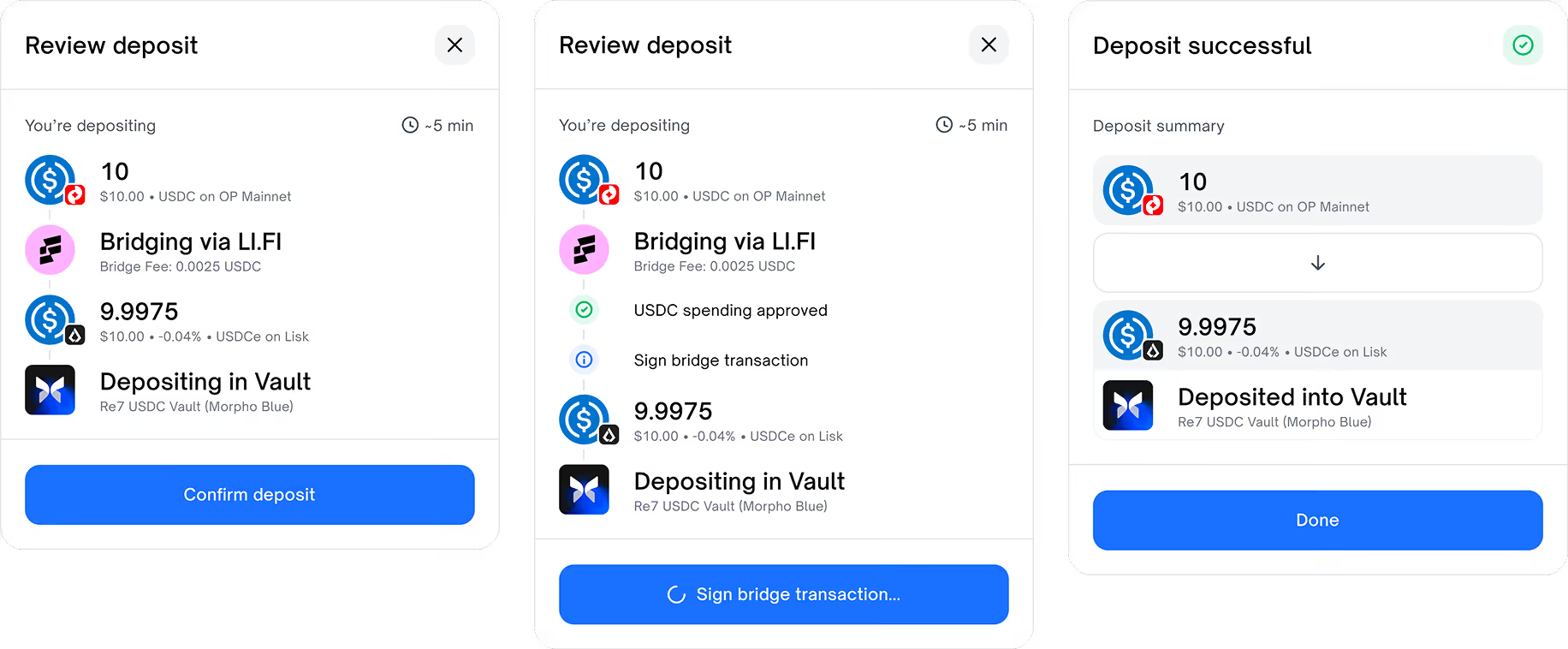
The main challenge was designing around cross-chain complexity. Deposits typically started on OP Mainnet, were bridged automatically to Lisk, and reversed on withdrawal.
UX considerations included:
Making invisible cross-chain steps understandable
Preventing user confusion around fees, routes, and network context
Clearly communicating what happens before a transaction is signed
Rather than hiding complexity entirely, the design focused on explaining critical steps without overloading the interface.
Key UX decisions
Key design decisions included:
Clear, step-based deposit and withdrawal modules
Progressive disclosure of advanced details such as routes and fees
Explicit confirmation states before wallet signatures
Consistent table layouts showing only essential vault data
Use of warnings and disclaimers for beta-level risk communication
These patterns helped users understand both the action and its implications before committing to a transaction.
Visual system & brand expression
EcoVaults followed the existing EcoLabs brand system, acting as a sub-product within the broader ecosystem. The focus was on clarity and usability rather than expressive branding.
Design choices emphasized:
Neutral, functional layouts
High contrast for financial data
Reusable components designed for future vault expansion
The result was a UI that felt reliable and familiar to experienced DeFi users.
Outcome
The designs were successfully implemented and are actively used as part of ongoing vault campaigns. The interface delivered a complete, production-ready experience that translated complex cross-chain mechanics into a clear and usable workflow for crypto-native users.
Learnings
This project reinforced the importance of:
Making complex financial actions explicit and transparent
Designing for edge cases, not just happy paths
Using disclaimers and confirmation steps to build user trust
Close async collaboration between design and engineering in fast-moving teams
I’ll review your message and get back to you within 1–2 business days.